
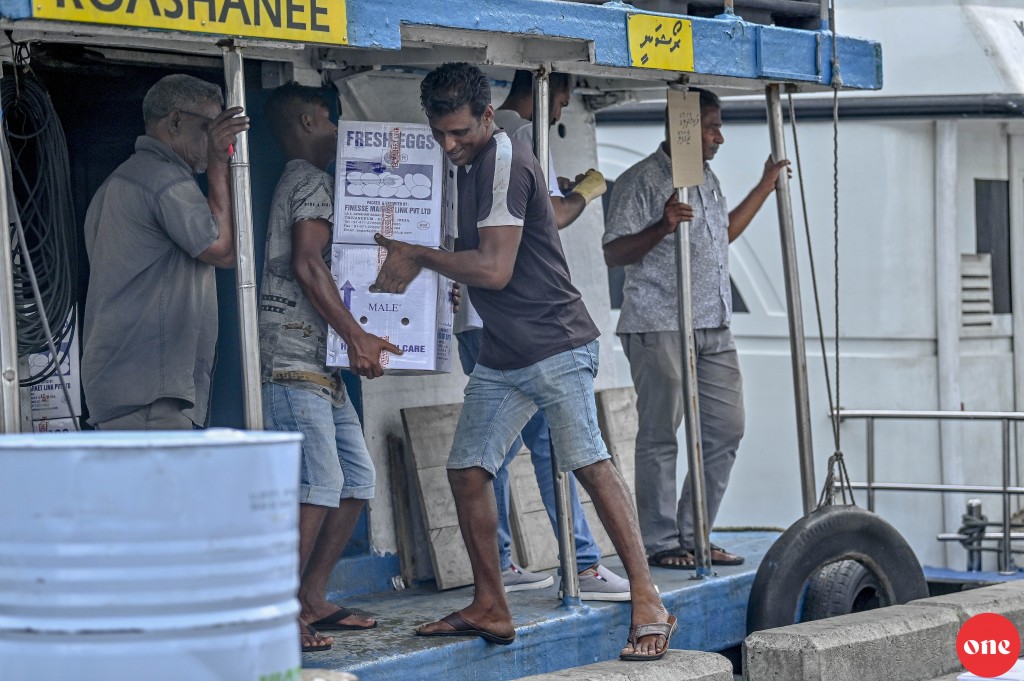
The World Bank has stated that the Real GDP in the Maldives is expected to grow by 6.5% in 2023, although declines are expected in the next two years.
Presenting the budget for this year, Finance Minister Ibrahim Ameer forecast a 7.6 percent growth this year. The minister said the country's economy is growing faster than the world's economy.
In its twice-a-year update, the World Bank noted that an average growth of 5.4% from 2024 to 2025 is expected, but challenges lie ahead, with growing external and fiscal vulnerabilities posing risks to the economy, particularly if Maldives continues to borrow at high costs during a global economic slowdown.
Released today as a companion piece to the latest South Asia Development Update, the Maldives Development Update titled Batten Down the Hatches presents a positive outlook for the country's medium-term growth, primarily driven by a thriving tourism sector.
"But the country is grappling with pressing fiscal challenges due to inflationary pressures linked to rising global commodity prices, increased capital spending and subsidies, and ongoing central bank financing of the budget deficit. These challenges require an urgent and robust fiscal adjustment and responsible debt management to ensure fiscal sustainability," it added.
Despite expectations of reduced deficits, Maldives’ total debt is set to remain high at over 115% of GDP. The government raised Goods and Services Tax (GST) rates earlier this year, but more substantial and immediate commitments are necessary, especially since planned subsidy reforms for 2023 did not happen as anticipated.
To ensure fiscal sustainability, Maldives needs to better manage spending while boosting revenue. Key reforms involve revamping programs like the Aasandha national health insurance scheme, streamlining subsidies for state-owned enterprises (especially in fuel and food), and creating a strong public investment management system for sequenced and well-planned infrastructure investments. On the revenue front, the focus should be on broadening the tax base, tapping into domestic income sources, reducing informal economic activity, and fostering tax fairness.
“Maldives is expecting a strong growth of 6.5% this year. However, to ensure a more resilient economy going forward, and to build on the recent reforms, prudent debt management and a fiscal adjustment with strengthened investment planning are needed in the context of tightened global conditions and already elevated fiscal deficits,” said Faris H. Hadad-Zervos, World Bank Country Director for Maldives, Nepal, and Sri Lanka. “While tourism will remain a primary engine of growth, Maldives stands to benefit by promoting more eco-tourism and fisheries development, prioritizing limited infrastructure financing for remote areas, and encouraging more private sector investment in such a way that growth is inclusive, greener and resilient to climate and other shocks.”
Meanwhile, the latest South Asia Development Update, Toward Faster, Cleaner Growth, forecasts regional growth to slow to 5.6% in 2024 and 2025, as post-pandemic rebounds fade and a combination of monetary tightening, fiscal consolidation, and reduced global demand weigh on economic activity.
 News
News  News
News  News
News  News
News