
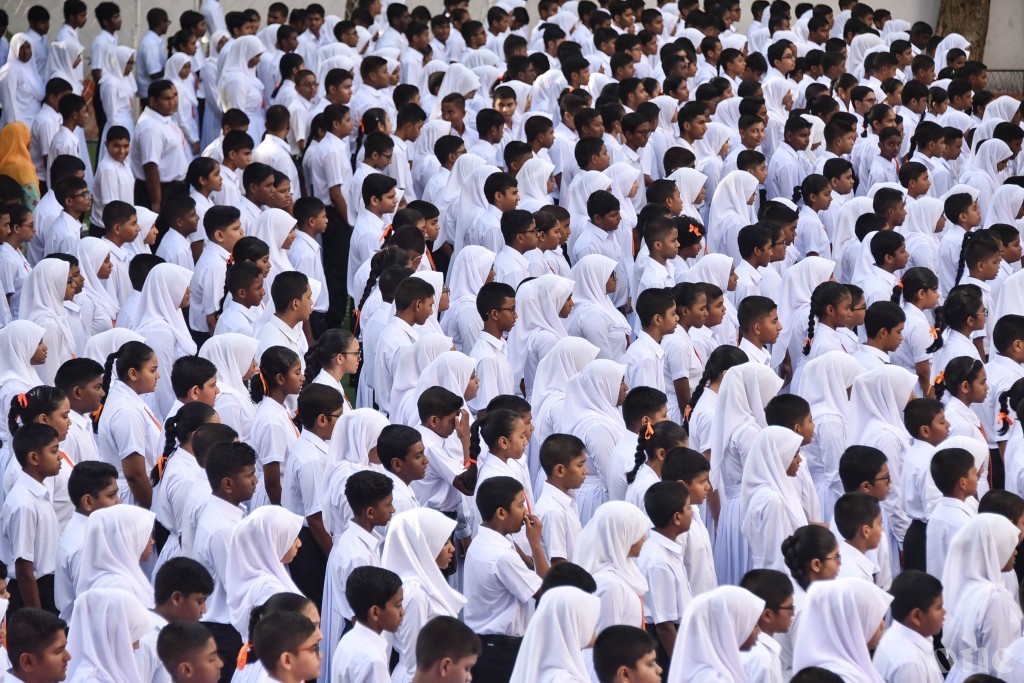
Emergency Response Plan (ERP) by the Ministry of Education has shown that over 91,500 Maldivian students were affected by COVID-19.
Prepared with assistance from UNICEF, the report said that 91,672 students from Baby Nursery to higher Secondary Grades from 315 private and government schools were affected by the pandemic.
However, since Baby Nursery is not part of the official education program, the number of students affected from Pre-School to Grade 12 of Higher Secondary Grades are 86,075. While numerous challenges were forged in front of the students, the number of students that were put at risk are even higher.
Number of students affected by COVID-19:
- Nursery and Baby Nursery – 5597
- Lower and Upper Kindergarten – 14,893
- Primary School from Grades 1 to 6 – 43,937
- Lower Secondary School from Grades 7 to 8 – 12,695
- Secondary School from Grades 9 to 10 – 10,904
- Higher Secondary School from Grades 11 to 12 – 3,526
- Special Needs Education Classes at SEN – 120
The ERP further stated that if the schools remain closed, students would lose interest in learning and with the lack of inclusion, the number of students who leave the school system would climb and more students would not want to go to school which would create more challenges in reaching such students.
In reference to a previous study by UNICEF, the report said that over 600 students from the Primary and Lower Secondary Grades does not attend school regularly and 60 percent of those students are boys.
However, the analysis report highlighted that there isn’t an adequate report on the students that does not attend school. But not going to school does cause students to miss out on people skills and steer towards criminal behavior.
The Ministry’s ERP says that due to missing out of physical education classes and extra-curricular activities along with the home situations, especially in Male’ City, reduces the interest to learn. And so, it is important monitor the students who leave school after losing interest.
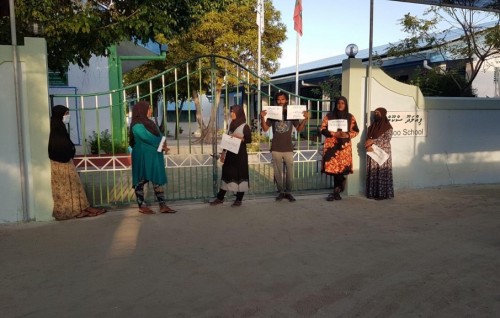 Education, Higher Education and Skills Development Ministry
 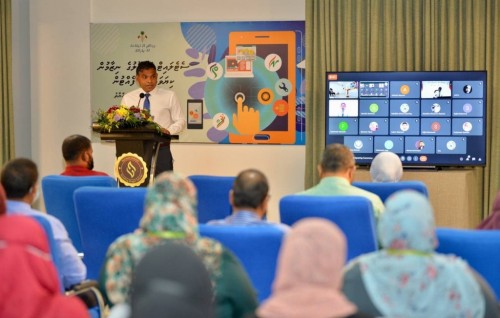 Education, Higher Education and Skills Development Ministry
 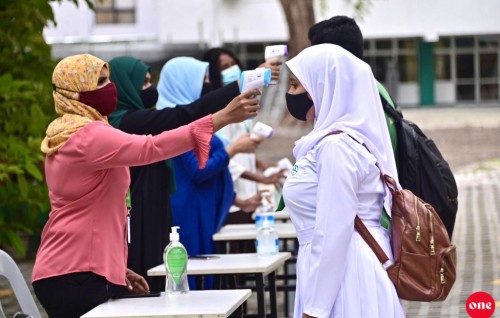 Education, Higher Education and Skills Development Ministry
  Education, Higher Education and Skills Development Ministry