
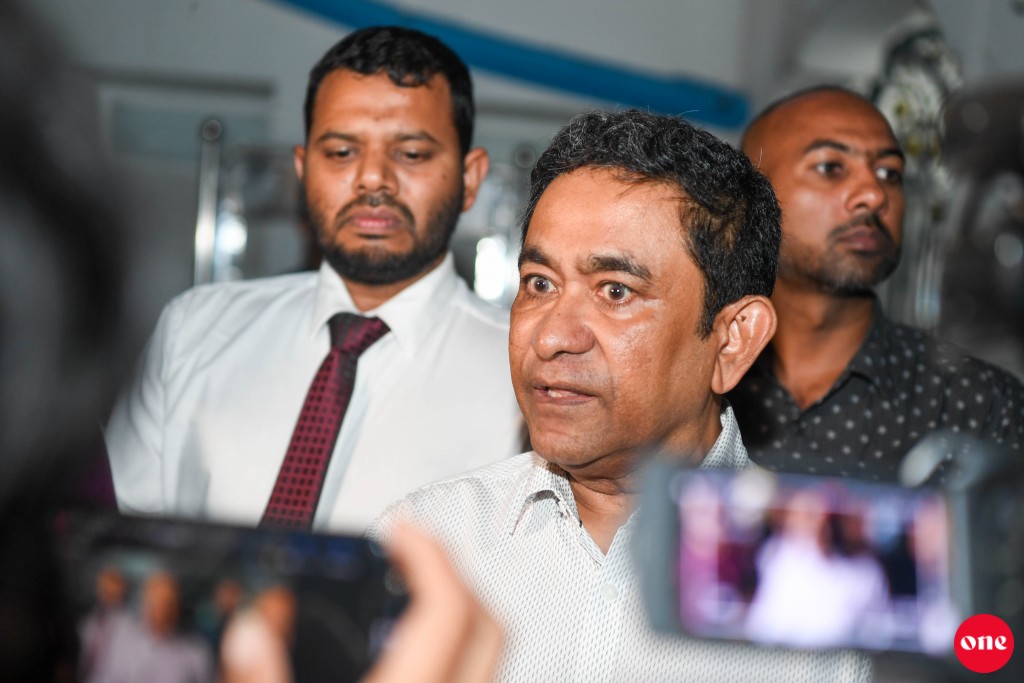
Former president Abdulla Yameen Abdul Gayoom has criticised the Maldives Monetary Authority (MMA) over its recent regulations requiring tourism businesses to route USD 500 per tourist through banks. Yameen contended that the MMA lacks the legal authority to impose such measures, labelling them as burdensome for tourism businesses and outside the bounds of the law.
Yameen acknowledged the importance of taxation in a flourishing tourism sector but argued that the current framework imposes an excessive strain on businesses. "What is happening now is extra-judicial. It is not legally sanctioned. If we collect income in dollars, it should be at market prices, not dictated by the MMA," he remarked during a recent event.
The former president criticised the MMA for shifting responsibility for managing currency issues, such as the parallel market and arbitrage, onto the tourism sector. According to Yameen, maintaining the value of the Maldivian Rufiyaa and ensuring economic stability falls squarely within the MMA’s remit.
Yameen further argued that the MMA’s inability to manage government fiscal spending effectively has led to these measures, which he described as misguided. "Saving the state from bankruptcy by avoiding currency printing is a measure even a child would question," he said.
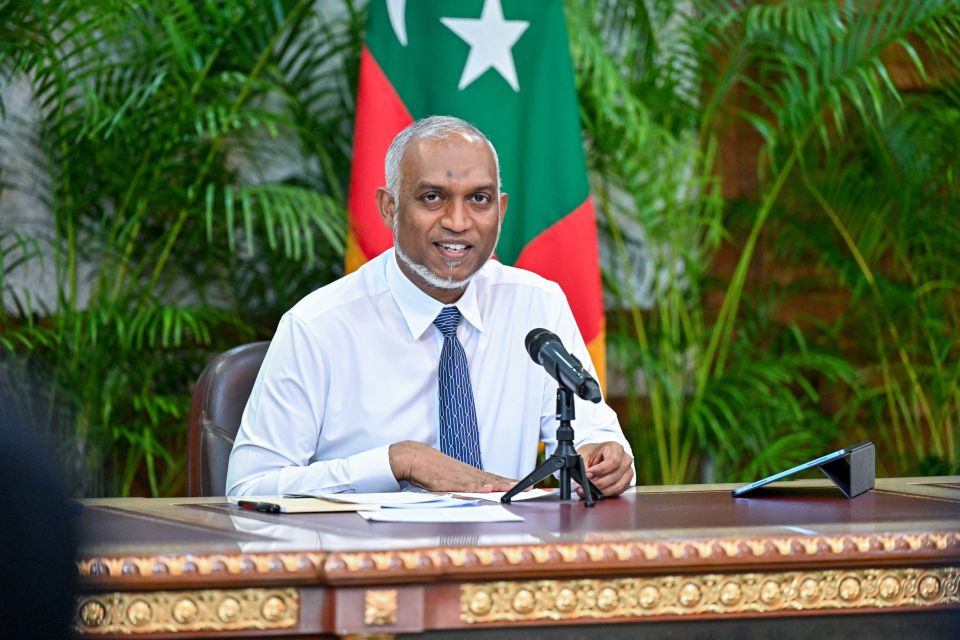
Despite Yameen’s remarks, President Dr Mohamed Muizzu has reiterated that the MMA’s regulations are backed by law and will remain unchanged. Speaking at a government event, President Dr Muizzu emphasised that the tourism sector must comply with the USD 500-dollar marking rule, which aligns with the nation’s constitution and legal framework.
President Dr Muizzu also announced plans to introduce a specialised legislative framework to strengthen MMA's enforcement capabilities. He assured that the government would ensure compliance while prioritising the economic interests of the Maldivian people.
The new MMA regulations have sparked debate within the tourism sector, with some expressing concerns over the added financial burden. The policy underscores the balancing act between generating public revenue and maintaining the economic vitality of the Maldives’ crucial tourism industry.
 News
News  News
News  News
News  News
News