

 Hussain Ali
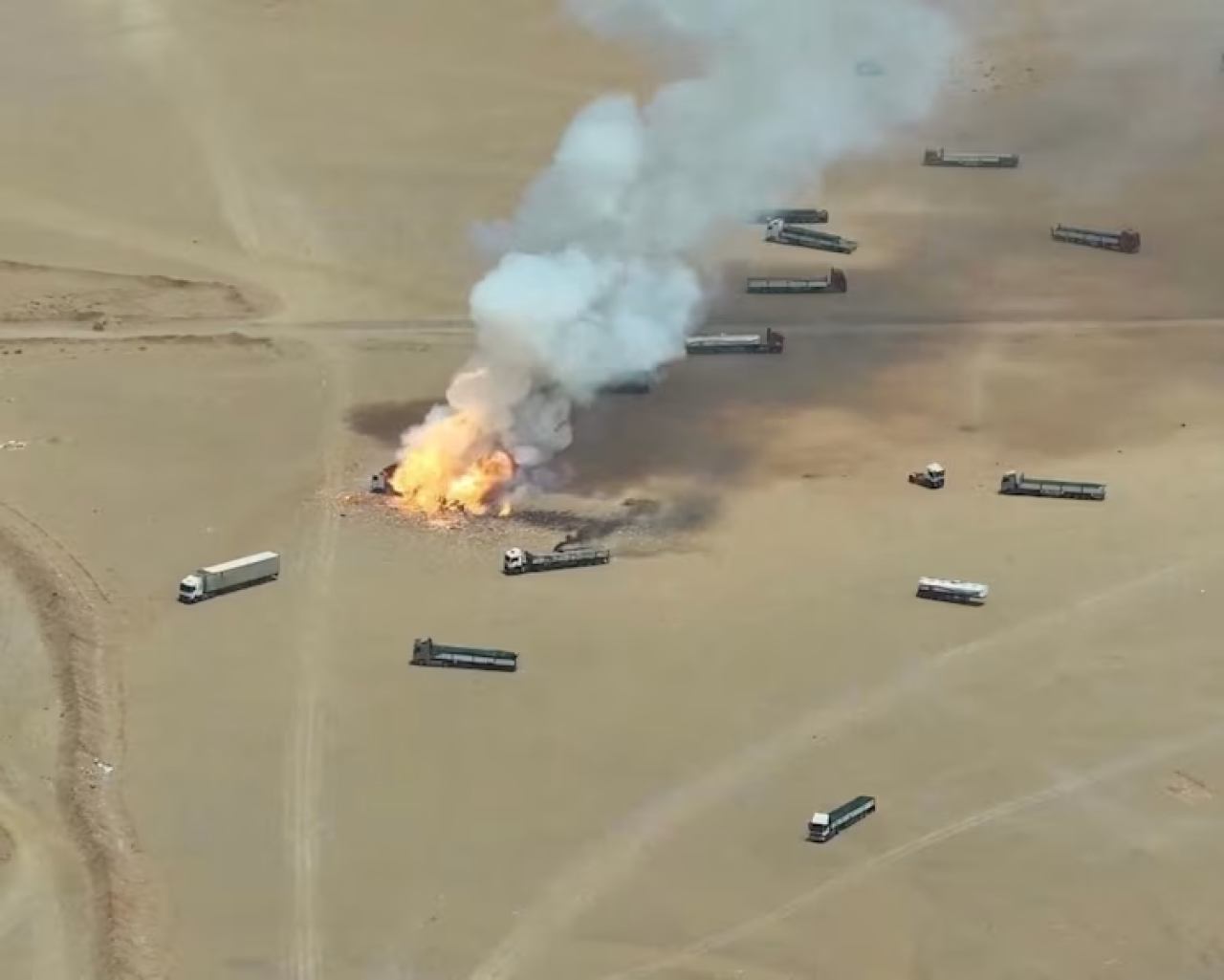
The Houthi capture of Yemen's Red Sea coastline is reshaping the balance of power in the Gulf, strengthening Iran's hand and confronting Saudi Arabia and its neighbours with a difficult choice: absorb mounting costs or seek accommodation with Tehran.
By securing a position overlooking Bab el-Mandeb, one of the world's most important shipping arteries, the Iran-aligned group has opened a second pressure point, threatening the Saudi oil exports diverted from the Strait of Hormuz.
The calculation, according to regional officials and analysts, is straightforward: by threatening Red Sea shipping while Iran chokes off Hormuz, Tehran and the Houthis can raise oil prices and fuel inflation while narrowing the region's prospects of relying on Washington to resolve the crisis.
The strategy, they say, is designed to force a stark choice on Gulf states: put up with growing economic pain from the squeeze on their oil exports and Iranian strikes or engage with Iran to protect trade, energy flows and economic stability.
"The Houthi capture of strategic islands near Bab el-Mandeb is a game changer," said Middle East analyst Fawaz Gerges. "It changes the balance of power and gives them far greater geopolitical and geoeconomic leverage over Saudi Arabia, the Gulf, the United States and global trade."
 News
News  Travel
  News
News  News
News 
ކޮމެންޓް