
 Hussain Ali
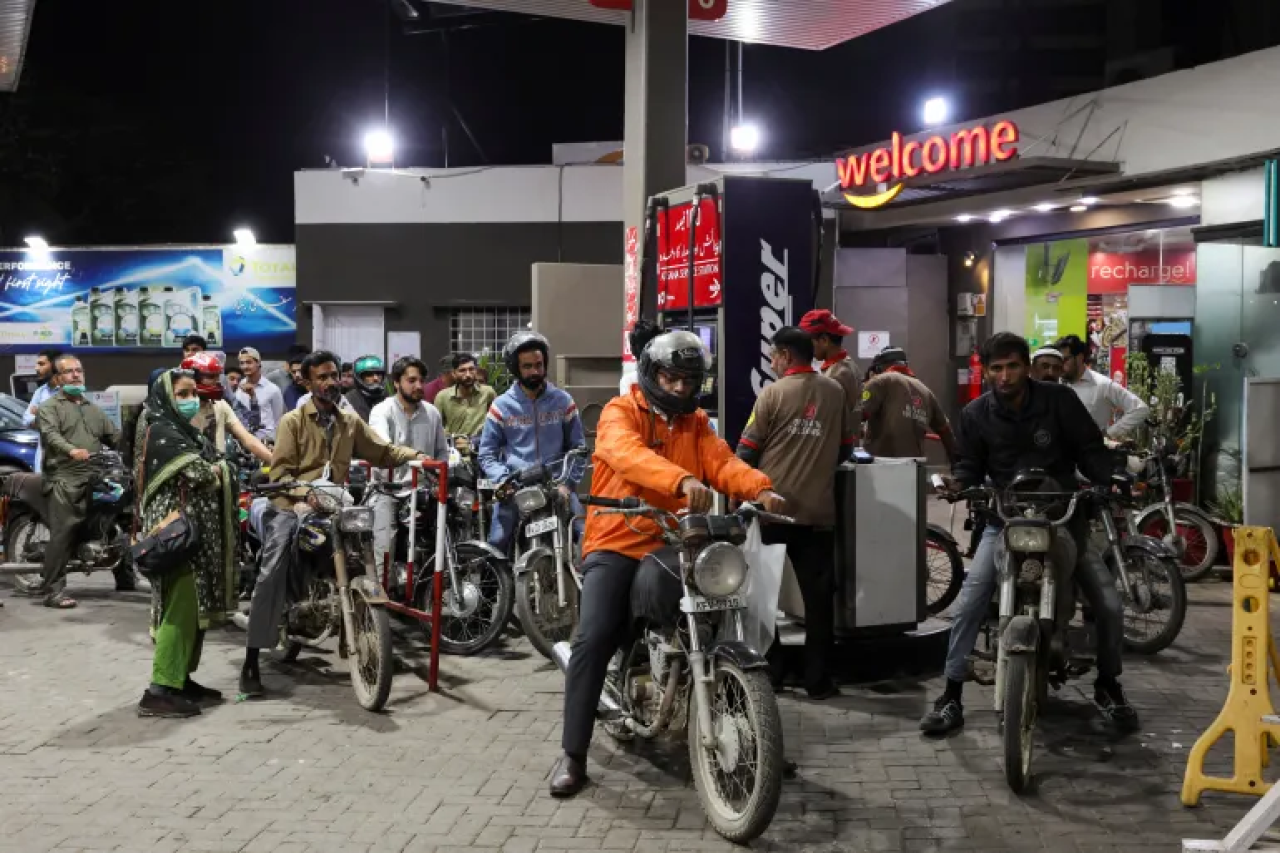
Pakistan has ordered sweeping emergency austerity and fuel conservation measures after a disruption in oil and gas supply caused by the United States-Israel war on Iran and an escalating Middle East conflict.
Prime Minister Shehbaz Sharif announced the measures in a televised address to the nation on Monday night, warning that disruptions to maritime traffic in the Strait of Hormuz – a vital waterway for traded oil – had placed Pakistan’s economy under direct threat.
“The entire region is currently in a state of war,” Sharif said as he laid out a series of steps, including moving to a four-day workweek for government employees and spring holidays for schools from March 16 to the end of the month.
Sharif said 50 percent of government staff will work from home on a rotating basis and recommended similar arrangements for the private sector, giving key sectors such as banking an exemption.
While schools will remain closed for two weeks from Monday, scheduled examinations will be held. Universities and higher education institutions have been directed to shift to online classes to conserve fuel.
The austerity measures also include the federal and provincial cabinet members forgoing their salaries and allowances for the next two months, while salaries of the members of federal and provincial legislatures will see a 25 percent cut during the period.
Ministers, parliamentarians and officials can make a foreign trip only for essential purposes and in economy class.
All in-person meetings across federal and provincial governments have been banned and must be conducted online, and fuel allowances of government offices have also been reduced.
People have been asked to restrict social gatherings, with weddings and parties capped at 200 guests and limited to one main dish.
 News
News 
 Fahi Dhiriulhun Corporation
  Maldives Media