

 Hussain Ali
The Pension Office Board has expanded its membership to nine and introduced key changes to its governance code, broadening the role of the CEO.
Under the new governance code published and brought into effect yesterday, the total number of Pension Office Board members increased from eight to nine.
Following these structural changes, the board will comprise a Chairperson, three senior Civil Service representatives—one each from the Ministry handling Public Finance, the Ministry overseeing Social Security, and the Ministry managing Labor affairs—alongside five representatives from the private sector.
Prior to this update, the board included a member representing the securities market regulator, while private sector representation was limited to four members.
The new code specifies that daily operational management of the Pension Office will fall under the CEO's oversight. As the head of executive management, the CEO will guide and supervise senior management in executing office strategies, policies, and decisions.
Updated qualifications for board members require all members to be Maldivian citizens at least 35 years of age—a specific age floor absent from previous regulations. Additionally, all members must hold at least a bachelor's degree in a relevant discipline, including pension, finance, audit, investment, business, economics, law, IT, social security, public policy, or human resources.
Under the revised governance code, the Nomination Committee will oversee the selection of the board Chairperson and members, offering formal recommendations to the President for final appointments.
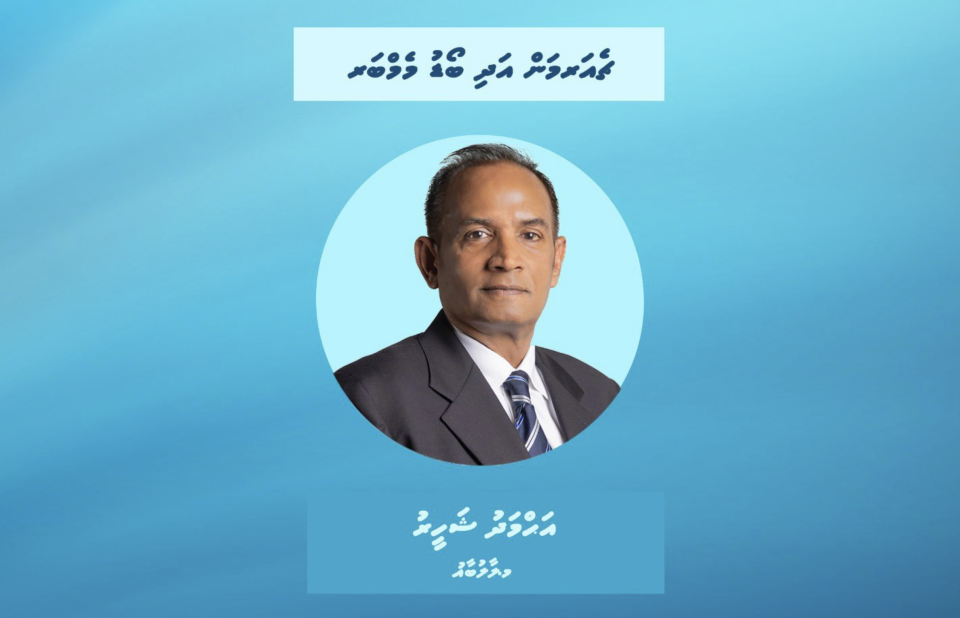
Yazmeed Mohamed was appointed as the CEO of the Pension Office last month.
 News
News  News
News  Business
  News
News 
ކޮމެންޓް