
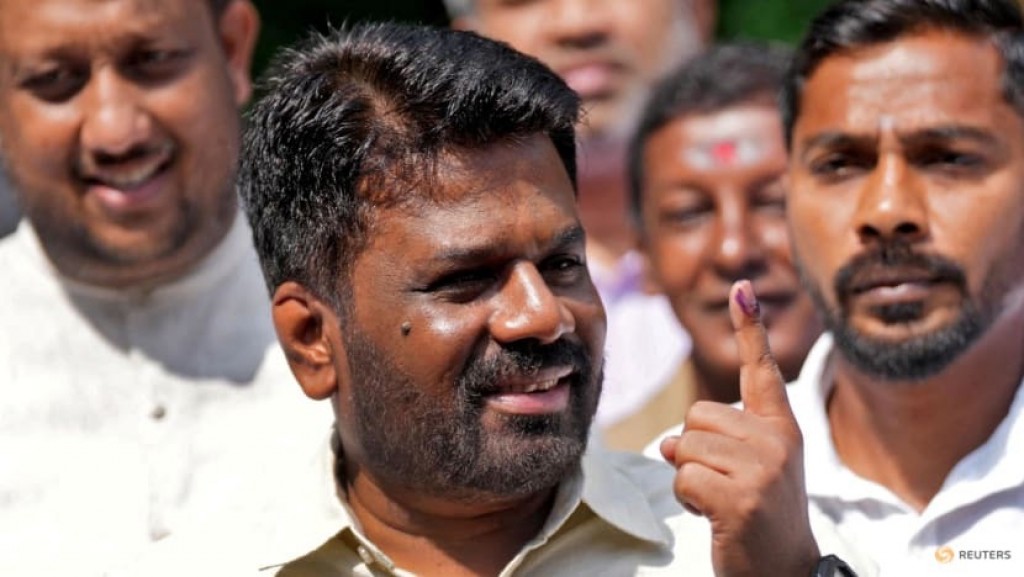
Sri Lankan President Anura Kumara Dissanayake’s alliance is set for a strong win in the country’s snap parliamentary elections, with his National People's Power (NPP) coalition already securing 97 seats and over 60% of the vote in early results. The coalition needs 113 seats for a majority in the 225-member parliament.
Dissanayake, elected president in September, called these elections to gain a mandate for his anti-corruption and stability-focused policies, which aim to address Sri Lanka's ongoing economic challenges. High inflation and the cost of living were major issues for voters, many of whom are still feeling the effects of the country’s worst economic crisis.
With support growing for the NPP, analysts believe the alliance will secure a significant victory, though the exact margin remains uncertain. If the NPP wins a two-thirds majority, it will have the power to pursue ambitious reforms.
Dissanayake’s party, the Janatha Vimukthi Peramuna (JVP), held only three seats in the outgoing parliament but is now gaining ground as traditional political players face disenchantment. The opposition, led by Sajith Premadasa, is fragmented, which has helped the NPP gain traction.
The economic recovery is a key concern for the new government, with poverty levels rising and essential goods still in short supply. While former President Gotabaya Rajapaksa’s administration secured a USD 3 billion IMF bailout, many Sri Lankans continue to struggle financially. The new government will face strong expectations to tackle these economic challenges and improve daily life for its citizens.
 World
World  World
World  World
World  World
World