
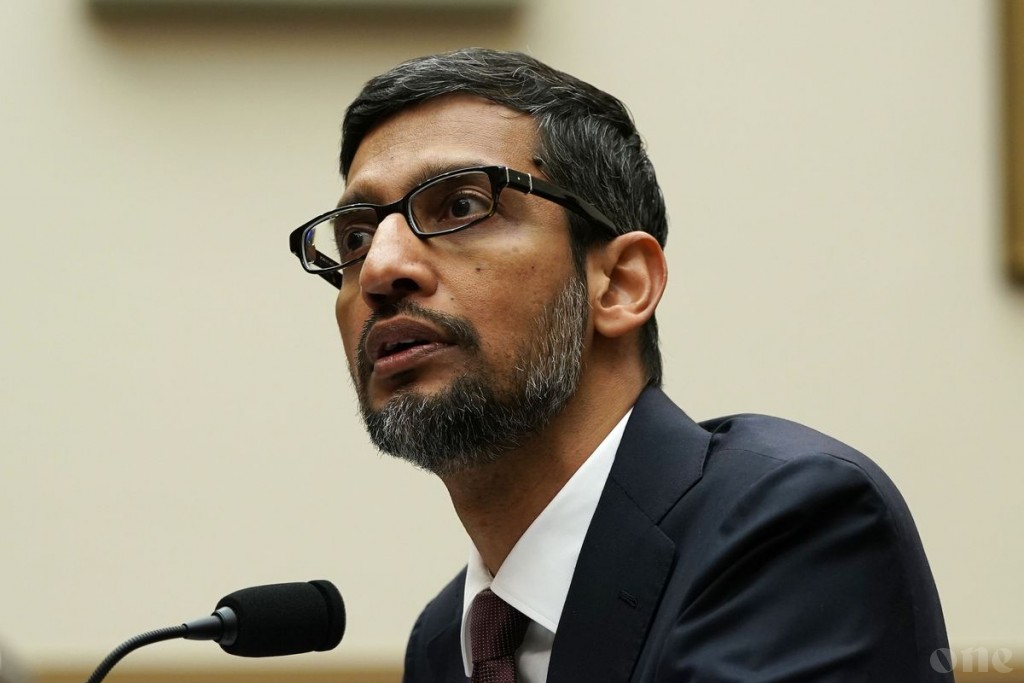
Google has announced new privacy tools intended to give people more control over how they're being tracked on the go or in their own home, part of a broader effort by big tech companies to counter increasing scrutiny of their data collection practices.
CEO Sundar Pichai kicked off the annual Google developer conference yesterday by noting that the company wants to do more to stay ahead of the constantly evolving user expectations on privacy.
A theme throughout the day, with the company demonstrating how many of its artificial intelligence capabilities, including some facial recognition and voice searches, are beginning to be processed on devices rather than by constantly sending information to company servers.
However, some critics, say Google's privacy updates sidestep more substantial changes that could threaten its ad-driven business model.
AP reported that according to the President of Ghostery, Jeremy Tillman, the changes are marginal and is quoted says “They are not bad, but they almost seem like they're designed to give the company a better messaging push instead of making wholesale improvements to user privacy.”
Meanwhile, Princeton computer scientist Jonathan Mayer is unimpressed stating that this is not privacy leadership but privacy theater.
In coming months, Google said that change will enable users to clear most of those tracking cookies without disturbing others that keep users logged into sites or that personalizes website settings. Chrome currently only allows people to clear all cookies.
Competing browsers such as Apple's Safari and Mozilla's Firefox already build in privacy tools to block sites from tracking online activity.
President of the Electronic Privacy Information Center, Marc Rotenberg said that unless the Federal Trade Commission is prepared to bring enforcement actions against companies, the promises to protect privacy matter very little.
Data privacy and security at Google and its Big Tech counterparts have been under the microscope for more than a year now. Facebook dedicated much of its own conference last week to connecting people though more private channels rather than broadly on the social network.
 Google
  Google