
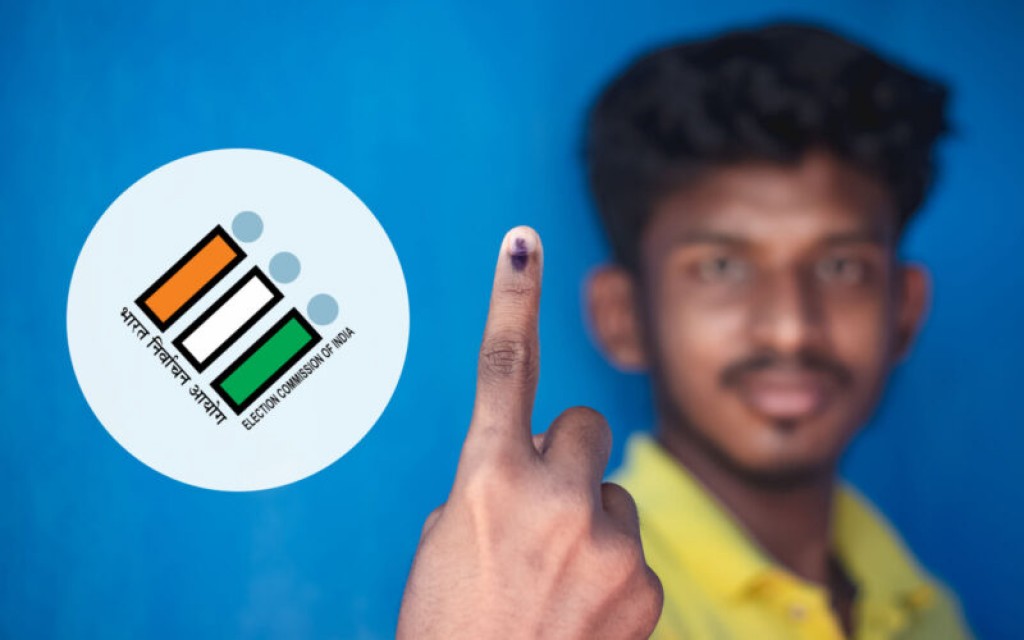
The first of India's almost one billion voters cast ballots on Friday in the country's multi-day election, as Prime Minister Narendra Modi seeks a rare third term on the back of issues such as growth, welfare and Hindu nationalism.
The vote pits Modi's Bharatiya Janata Party (BJP) against an alliance of two dozen opposition parties that promise greater affirmative action and more handouts while stressing what they call the need to save democratic institutions.
Nearly 970 million people are eligible to vote in the seven-phase exercise, the world's largest election, which runs through the peak of summer until June 1, with results set for June 4.
Election Commission figures after polls closed on Friday's first day of voting estimated voter turnout at 60%, with the small northeastern state of Tripura top of the list at 80% and the northwestern state of Rajasthan at the bottom with 51%.
"Polling for the first phase...recorded high voter turnout despite the heat wave," the panel said. "The voting percentage is likely to go upwards when reports from all polling stations are obtained."
Friday's vote covered 166 million voters in 102 constituencies across 21 states and territories, from Tamil Nadu in the south to Arunachal Pradesh on the Himalayan frontier with China.
Opinion polls have suggested the BJP will easily win a majority, even though voters worry about unemployment, inflation and rural distress in the world's most populous country and fastest growing major economy.
 World
World  World
World  World
World  World
World