
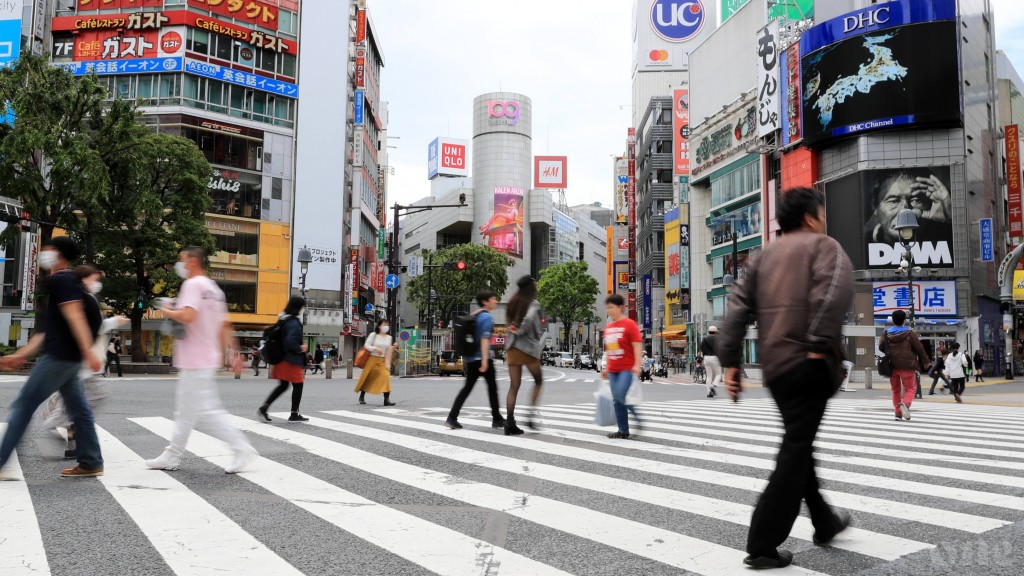
Japan lifted a nationwide state of emergency over the coronavirus on Monday (May 25), gradually reopening the world's third-largest economy as government officials warned caution was still necessary to prevent another wave.
"We had very stringent criteria for lifting the state of emergency. We have judged that we have met this," Prime Minister Shinzo Abe told a nationally televised news conference.
Compared with hard-hit areas in Europe, the United States, Russia and Brazil, Japan has been spared the worst of the pandemic, with 16,581 infections and 830 deaths.
But on Apr 7, with cases beginning to spike and fears for the country's health system, Abe declared a state of emergency for Tokyo and six other regions - later expanding it to cover the entire nation.
Businesses and schools were urged to shut and people were asked to remain home, but Japan's lockdown was far softer than in other parts of the world and there was no punishment for those flouting the rules.
Citizens largely heeded the orders, however, with most of Tokyo's famously packed streets falling quiet.
 World
World  World
World  World
World  World
World