

 Hussain Ali
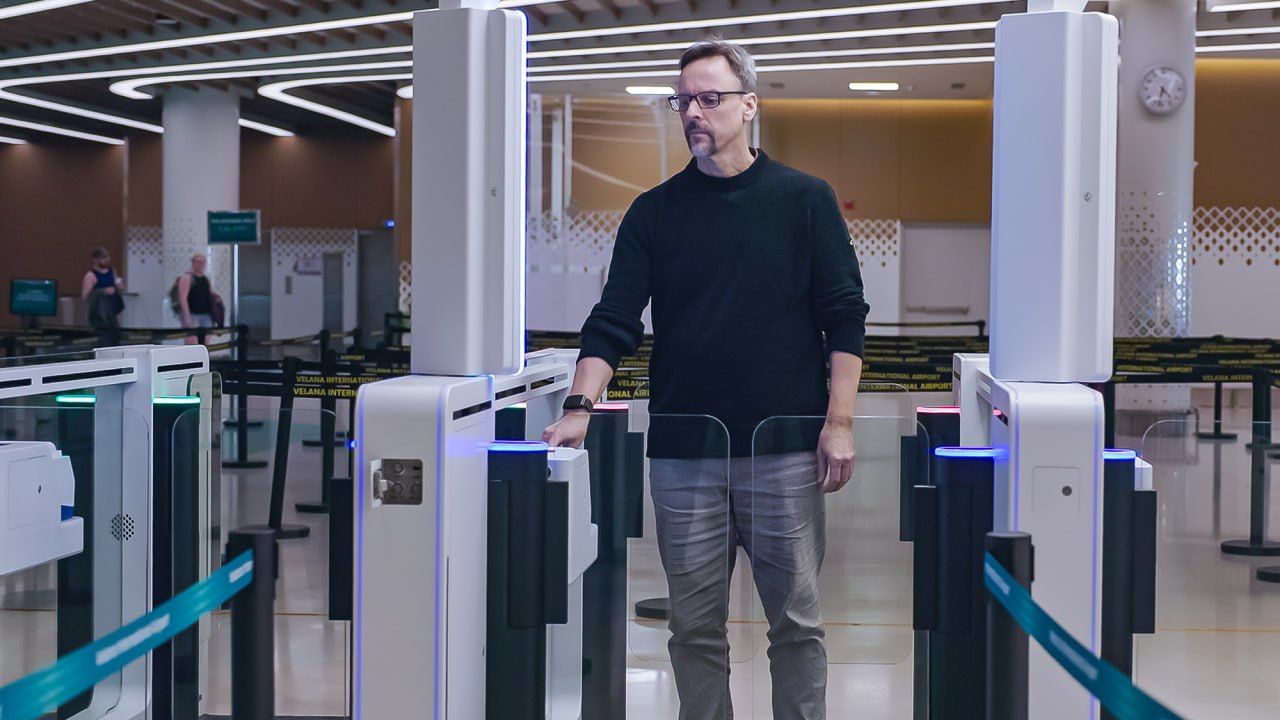
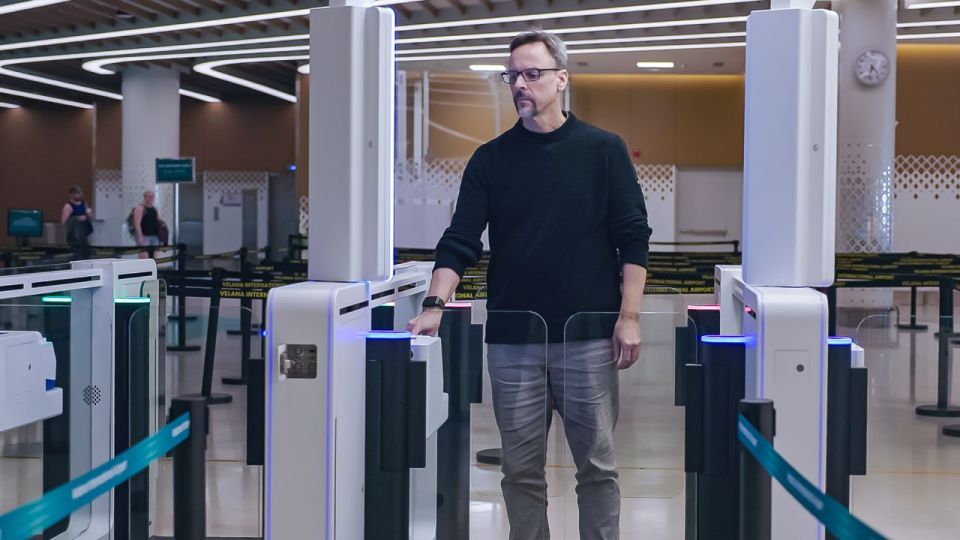
Thirty-five e-gates have been installed at the new terminal of Velana International Airport (VIA), and they have begun providing immigration clearance to tourists as well.
Until now, e-gate clearance was available only to Maldivians.
Twenty gates have been installed in VIA's arrival terminal and 15 in departures.
Speaking at a ceremony held at VIA today to mark the addition of e-gates at the new terminal and the start of the service for tourists, Controller General of Immigration, retired Commissioner of Police Ahmed Faseeh, said e-gates are a service used in developed countries.
Faseeh said the opening of the e-gates will greatly reduce interactions with immigration officers.
"Once someone passes through these e-gates, they won't even need to have their passport stamped when they depart. So it will be seamless. This is a major advancement for a small country like ours," Faseeh said.
Faseeh said security will not be compromised in any way by using e-gates, and that the process follows international practice.
Gracing today's ceremony, Homeland Security Minister Ali Ihusaan said the service is part of work being carried out under President Muizzu's leadership in implementing Maldives 2.0.
"The end result of this work is to ensure that everyone entering through the Maldives' border is checked for safety, security and other necessary matters, while recognising that the Maldives is a tourism destination, and ensuring the service is provided as quickly as possible," the minister said.
The minister said the Maldives is the first country in the region to provide e-gate services at this level.
He added that using e-gates will save time, with a process that used to take between 30 and 50 seconds at immigration counters now completed in five to ten seconds.
According to Immigration, at launch the service will allow holders of passports from 46 designated countries, and passengers of the 31 airlines that have joined the service so far, to complete immigration via e-gates under set rules.
Immigration said the e-gates use the latest biometric verification technology that recognises facial and iris features. The technology verifies passengers against the information in their electronic passports.


ކޮމެންޓް