
 Hussain Ali
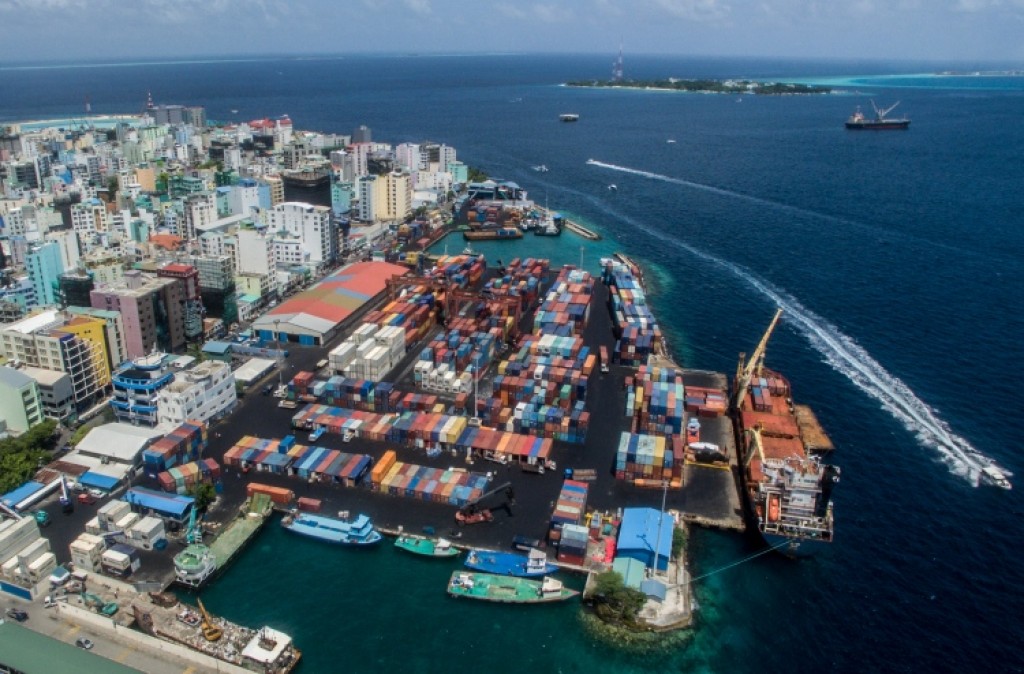
The International Monetary Fund (IMF) has advised the Maldives to reform its state subsidy system to ensure financial support is targeted exclusively toward the most vulnerable populations. This recommendation comes as ongoing conflicts in the Middle East continue to drive up global oil prices, causing economic strains for import-dependent nations.
Following the IMF's Article IV consultations conducted in the Maldives from June 4 to 14, a statement was issued yesterday by the fund's mission chief, Piyaporn Sodsriwiboon. The statement noted that the Maldives made notable economic strides last year, highlighting an accumulation in foreign currency reserves and the consistent repayment of bonds and loans to both official and private creditors.
To secure long-term fiscal sustainability, the IMF emphasized that the country's immediate priorities must center on debt reduction while maintaining a safety net for vulnerable citizens. Achieving this will require the government to curb public expenditure and introduce new revenue-generating avenues. Given the volatile global energy market, the fund stressed the urgency of restructuring the subsidy framework and utilizing modern targeted systems, such as Proxy Means Testing, to ensure aid reaches those who need it most.
Additionally, the IMF pointed out that accelerating the transition to renewable energy will significantly alleviate the state's heavy expenditure on energy subsidies in the future. The report also cautioned that State-Owned Enterprises (SOEs) continue to pose a substantial fiscal risk to the state, urging the government to tighten oversight and strengthen the management of these corporations. Due to the geopolitical friction impacting tourism and inflating energy costs, the Maldives' real GDP growth is projected to slow to one percent this year, with a projected rebound to four percent over the medium term starting next year.
 News
News  News
News  News
News