
 Hussain Ali
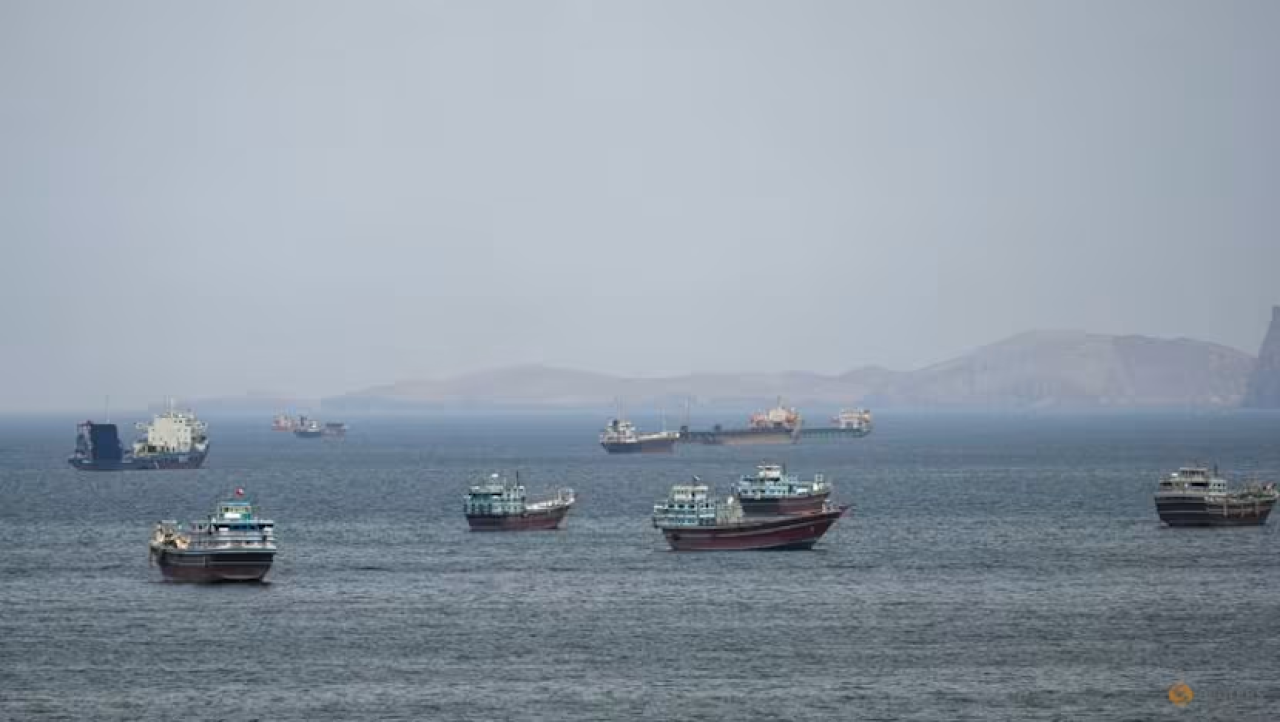
Iran seized two ships in the Strait of Hormuz on Wednesday (Apr 22), tightening its grip on the strategic waterway after US President Donald Trump called off attacks with no sign of peace talks restarting.
Trump maintained the US Navy blockade of Iran's trade by sea, and Iran's parliament speaker and top negotiator Mohammad Baqer Qalibaf said a full ceasefire only made sense if it was lifted. Reopening the strait was impossible with such a "flagrant breach of the ceasefire", Qalibaf said in a post on X.
"You did not achieve your goals through military aggression and you will not achieve them by bullying either. The only way is recognising the Iranian people's rights," he said in his first response to Trump's ceasefire extension.
Trump has backed away from recent threats to bomb critical Iranian infrastructure, but little progress has been made in resolving issues key to ending the war that started with joint US-Israeli strikes on Feb 28.
That leaves the two sides in a holding pattern with the crucial Strait of Hormuz still effectively shut, stranding about one-fifth of the world's oil and gas supplies, straining economies across the world.
Iran's semi-official Tasnim news agency earlier said the Revolutionary Guards had seized two vessels for maritime violations and escorted them to Iranian shores. It was the first time Iran had seized ships since the war began at the end of February.
The Revolutionary Guards also warned that any disruption to order and safety in the strait would be considered a "red line", Tasnim said.
Brent, the international crude oil benchmark, closed above US$100 a barrel for the first time in two weeks. The ongoing blockade of the strait is driving up costs for businesses while major economies run down reserves and restrict consumption with millions of oil barrels cut off from key markets.
 News
News  News
News  News
News  News
News