
 Hussain Ali
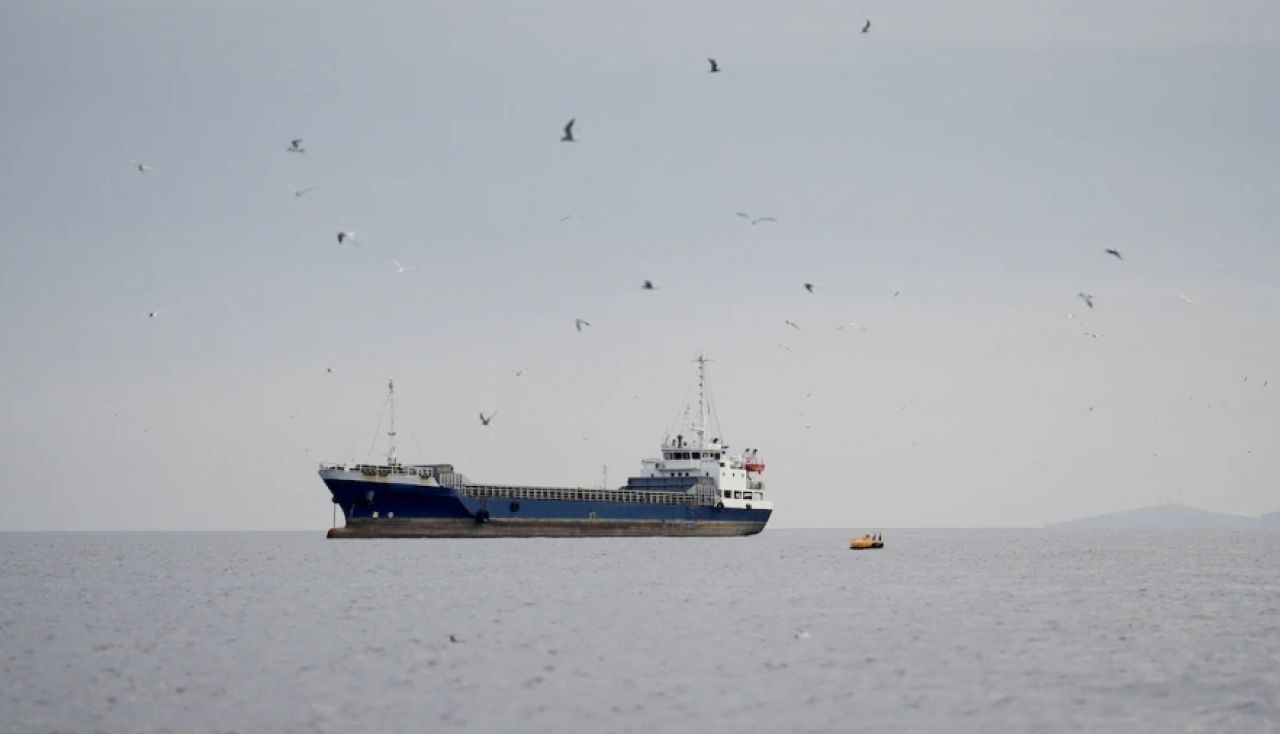
Oil prices tumbled Friday (Apr 17) after Iranian officials said they would allow commercial traffic to resume in the Strait of Hormuz, lifting equity markets in Europe and New York, where major indices hit new records.
Citing the ceasefire between Israel and Lebanon, Iran's Foreign Minister Abbas Araghchi said Tehran would lift its blockade on shipping through the key Gulf energy trade route.
"In line with the ceasefire in Lebanon, the passage for all commercial vessels through Strait of Hormuz is declared completely open for the remaining period of ceasefire," Araghchi said.
Traffic in the strategic waterway, through which one-fifth of the world's crude oil normally flows, has been disrupted by Iran since the US-Israeli offensive began on Feb 28, at one point sending oil prices to a peak of nearly US$120 a barrel and roiling the global economy.
Both Brent, the benchmark international contract, and its US equivalent WTI fell below US$90 per barrel following Tehran's announcement. Brent later cut its losses and finished at US$90.38 a barrel, down 9.1 per cent.
"This news is having an immediate impact on markets," said Kathleen Brooks, research director at XTB.
The move also sent a jolt through equity markets, extending a rally in New York, where equities have pushed ever higher since late March in anticipation of a breakthrough in the Middle East crisis.
"We had seen a big move the last two weeks and now it's just really pricing completely out the worst-case" scenario, said Angelo Kourkafas, from Edward Jones.
Kourkafas also pointed to underlying strength in the US economy that should get more attention in the coming period as geopolitical concerns ebb.
"Geopolitical developments are moving the right direction and at the same time the earning strength is hard to ignore," Kourkafas said.
The broad-based S&P 500 finished at 7,126.06, up 1.2 per cent for the day and 4.5 per cent for the week.
 News
News  News
News  News
News  News
News