
 Hussain Ali
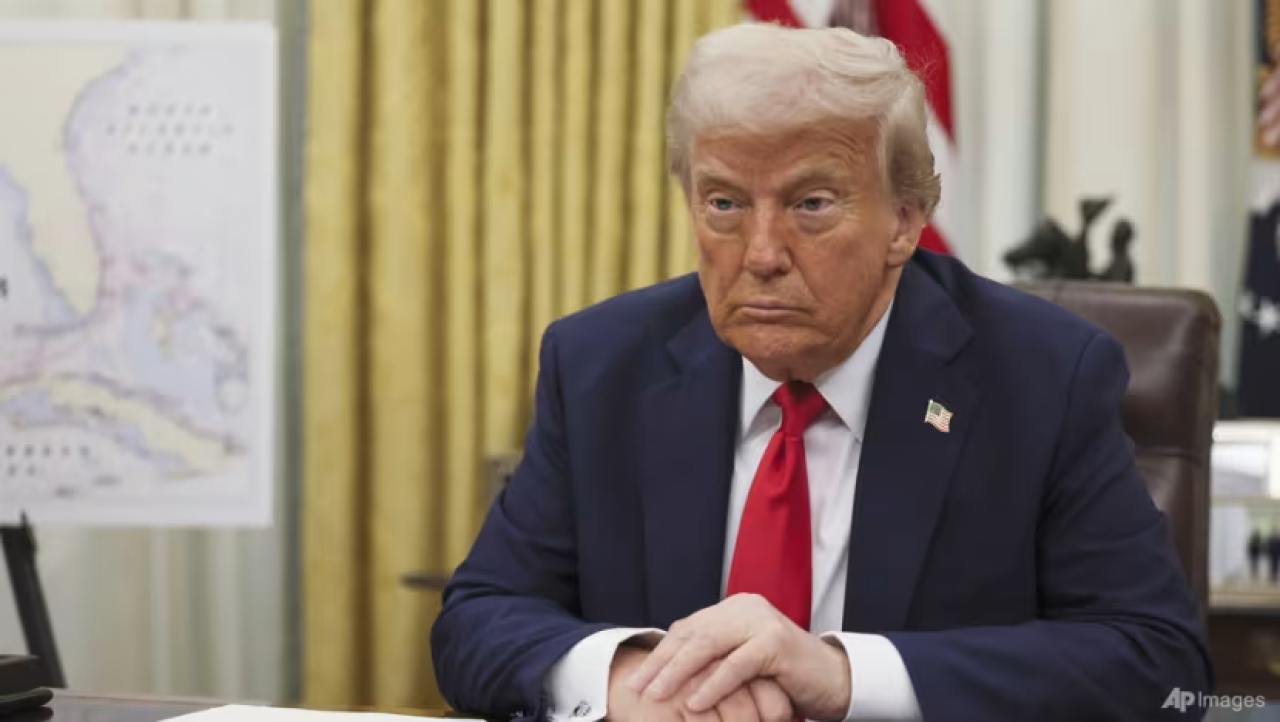
United States trading partners were bracing Tuesday (Apr 1) for an expected fresh raft of Donald Trump tariffs, while the US president promised to be "very kind" in addressing what he says are unfair trade imbalances.
Trump - who has been making unprecedented use of presidential powers since taking office in January - said he could announce as early as Tuesday night exactly what "reciprocal tariffs" will be imposed.
The Republican billionaire insists that action is needed because the world's biggest economy has been "ripped off by every country in the world" and is promising "Liberation Day" for the United States.
Asked for details, he told reporters on Monday: "You're going to see in two days, which is maybe tomorrow night or probably Wednesday."
But he added: "We're going to be very nice, relatively speaking, we're going to be very kind."
Critics warn that the strategy risks a global trade war, provoking a chain reaction of retaliation by major trading partners like China, Canada and the European Union.
Over the weekend, China, South Korea and Japan agreed to strengthen free trade between themselves.
But Trump said he was not worried that his action would push allies toward Beijing, adding that a deal on TikTok could also be tied to China tariffs.
White House Press Secretary Karoline Leavitt told reporters that the goal on Wednesday would be to announce "country-based tariffs", although Trump remains committed to imposing separate sector-specific charges.
The uncertainty has jolted markets, hammering equities across the board and stoking recession fears. Asian stocks, which fell sharply on Monday after Trump said his tariffs would include "all countries", rebounded a little on Tuesday.
The Wall Street Journal reported that advisers have considered imposing global tariffs of up to 20 per cent to hit almost all US trading partners. Trump has remained vague, saying his tariffs would be "far more generous" than the ones already levied against US products.
 News
News 
 Fahi Dhiriulhun Corporation
  Maldives Media