
 Hussain Ali
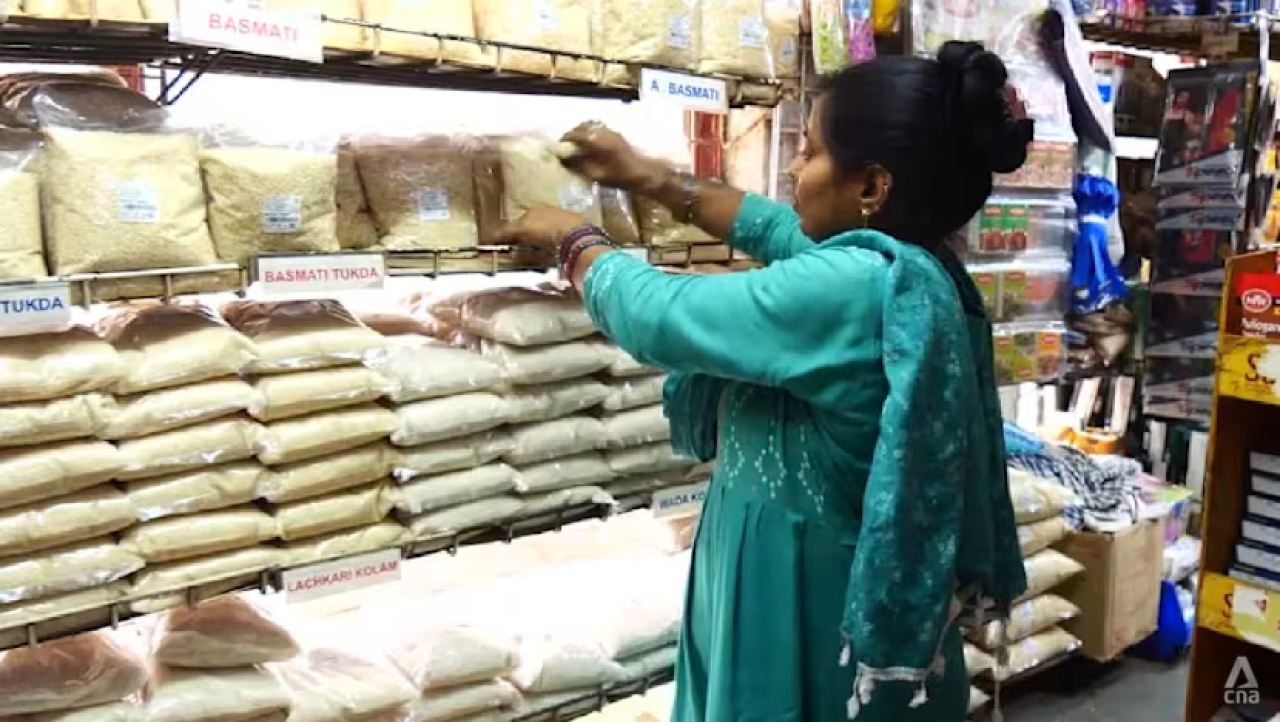
India’s booming rice export trade has been thrown into disarray by the Middle East conflict, with hundreds of thousands of tonnes of shipments stranded and fears growing over a ripple effect on prices and food security.
What was expected to be a bumper year for Indian rice exporters – on the back of a strong harvest – has instead been upended by the ongoing war in Iran.
Industry estimates suggest around 400,000 tonnes of rice are currently stuck at ports or at sea, unable to reach key markets.
India is the world’s largest producer and exporter of rice, accounting for roughly 40 per cent of global exports.
It shipped about 6 million tonnes of long-grain basmati rice last fiscal year, much of it destined for the Middle East.
But with Iran a major buyer, the conflict has choked demand and disrupted shipping routes, leaving exporters facing heavy losses.
The Indian Rice Exporters Federation, which represents 7,000 exporters, said costs are rising while new orders have stalled due to the war.
Vinod Kumar Kaul, director general of the federation, said: “We have taken it up with the government to see that unjustified increases or new surcharges are not levied by shipping lines.”
Demand for basmati rice – a staple in Middle Eastern and South Asian cuisines – typically rises during Ramadan, but traders say that did not materialise this year.
Further, shipping disruptions have caused prices in local markets to dip by 10 per cent, according to the federation.
Traders warn that if consignments fail to reach their destinations and are diverted into the domestic market, it could disrupt operations, trigger a supply glut and cause prices to crash.
“There will be no profit this year,” said Delhi-based rice exporter Virender Kumar, who ships grain to Mexico and Russia while also supplying the domestic market.
“As soon as the war started, rates fell. Our only hope now is that our business isn't harmed in the long term.”
 News
News 
 Fahi Dhiriulhun Corporation
  Maldives Media