
 Hussain Ali
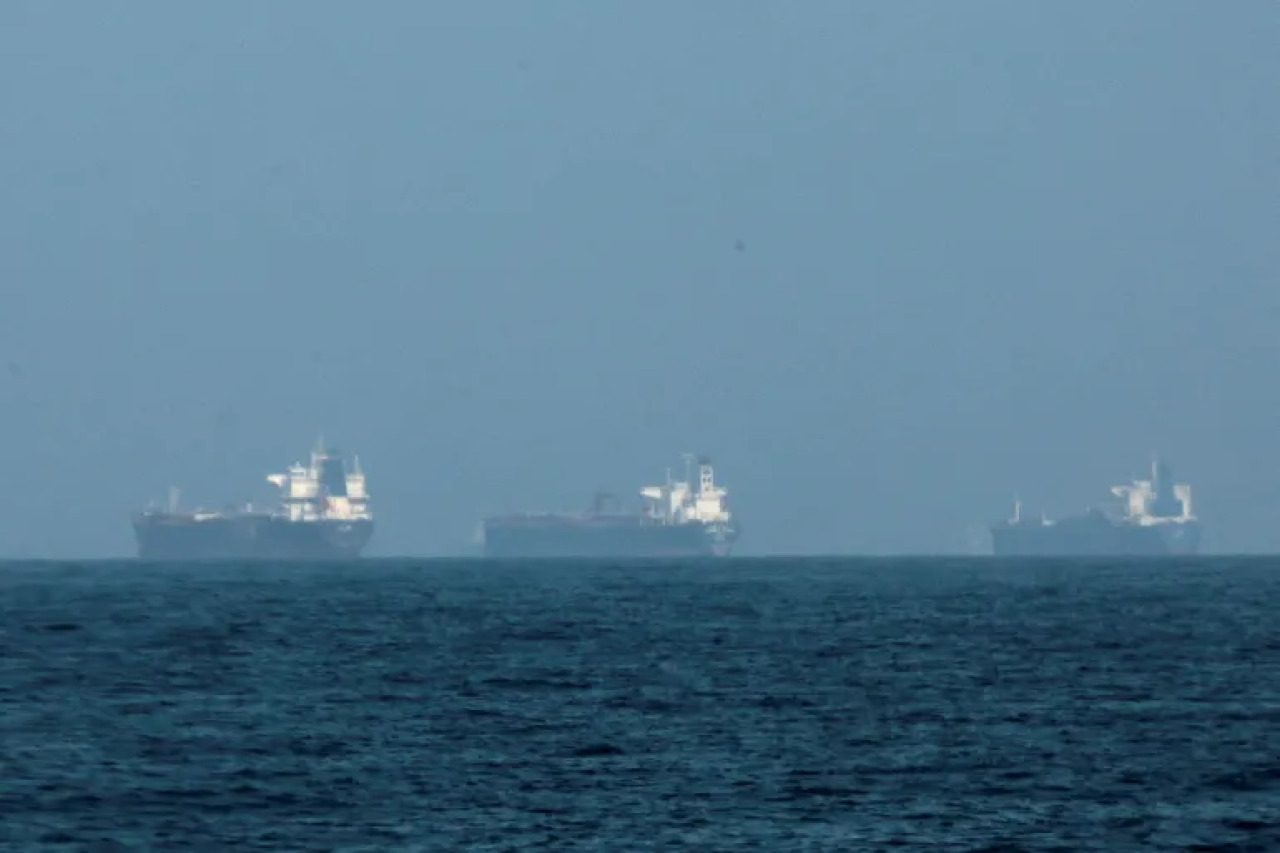
The United States-Israeli war on Iran could leave consumers and businesses worldwide facing weeks or months of higher fuel prices even if the conflict, which is now in its eighth day, ends quickly, as suppliers grapple with damaged facilities, disrupted logistics, and elevated risks to shipping.
The outlook poses a global economic threat and a political vulnerability for US President Donald Trump leading into the midterm elections, with voters sensitive to energy bills and unfavourable to foreign entanglements.
Global oil prices have surged by more than 25 percent since the start of the war, driving up fuel prices for consumers worldwide.
The national average petrol price reached $3.41 per gallon ($0.9 a litre) on Saturday, according to the American Automobile Association (AAA), rising by $0.43 over the past week. Goldman Sachs warned oil prices could climb above $100 per barrel if shipping disruptions continue.
The US crude oil settled at just below $91 per barrel on Friday – its largest weekly gain on record in data dating back to 1983, indicating prices could continue to rise.
“The market is shifting from pricing pure geopolitical risk to grappling with tangible operational disruption, as refinery shutdowns and export constraints begin to impair crude processing and regional supply flows,” JP Morgan analysts said earlier this week, according to the Reuters news agency.
The conflict has already led to the suspension of about a fifth of global crude and natural gas supply, as Tehran targets ships in the vital Strait of Hormuz between its shores and Oman, and attacks energy infrastructure across the region.
A nearly complete shutdown of the strait means the region’s top oil producers – Saudi Arabia, the United Arab Emirates, Iraq and Kuwait – have had to suspend shipments of as much as 140 million barrels of oil – equal to about 1.4 days of global demand – to global refiners.
More than 80 percent of global trade moves by sea, according to the World Bank, meaning disruptions in the waterway could increase freight costs and delay deliveries of goods.
Djibouti’s finance minister, Ilyas M. Dawaleh, warned on Saturday that the fighting would “bring severe economic consequences for developing countries”. Small states which depend on maritime trade “risk being pulled into deeper economic uncertainty as external shocks ripple across the region and #Africa,” he wrote on X.
Egypt’s President Abdel Fattah el-Sisi said last week that his country’s economy was in a “state of near-emergency”, warning of growing inflation.
 News
News 
 Fahi Dhiriulhun Corporation
  Maldives Media